If you think the cloud changed everything, wait until you understand edge computing.
In 2025, data doesn’t just live in massive data centers anymore. It’s being processed at the edge—near the devices that collect it. From self-driving cars to factory sensors and smart cameras, edge computing is quietly transforming how the digital world operates.
This article explores the hidden power behind edge computing, why it’s exploding right now, and how businesses—even small ones—can start benefiting today without spending a fortune.
What Exactly Is Edge Computing?
Edge computing means processing data closer to its source—like a smartphone, IoT device, or local server—instead of sending everything to a centralized cloud.
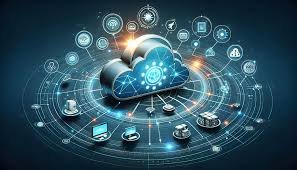
Think of it this way: If the cloud is like a headquarters, the edge is the field office—faster, more responsive, and closer to where things happen.
Why It Matters
Reduces latency (no waiting for the cloud).
Cuts bandwidth costs.
Enhances privacy and reliability.
According to IDC, global spending on edge computing is expected to reach $317 billion by 2026, showing just how quickly this technology is scaling.
How Edge Computing Works (in Simple Terms)
Here’s the process in plain English:
Data is created—for example, a temperature sensor in a warehouse.
Processing happens locally—the edge device analyzes whether the temperature is safe.
Only critical insights are sent to the cloud, like “Temperature rising beyond safe limits.”
The cloud handles storage, reporting, or long-term analysis.
This setup allows businesses to react in real time—which is crucial for safety, automation, and speed.
Think of edge computing as a smart filter: only important data travels long distances.
Why Edge Computing Is Exploding in 2025
Three forces are pushing edge computing into the mainstream:
1. The Internet of Things (IoT) Boom
By 2025, there will be over 75 billion IoT devices worldwide (Statista). These devices can’t afford to send every bit of data to the cloud. Edge computing makes them smarter and faster.
2. AI and Machine Learning
AI models now run directly on local devices—think Apple’s Neural Engine or Google’s TensorFlow Lite. That means faster responses, even offline.
3. 5G Connectivity
5G networks drastically reduce communication delays. Combined with edge processing, this enables real-time decision-making—essential for autonomous vehicles, telemedicine, and industrial robotics.
Stat: According to ExposureNinja, businesses integrating edge + AI saw a 35% improvement in response times and a 25% cost reduction on cloud usage.
Real-World Applications: From Smart Cities to Retail
Edge computing isn’t just a buzzword—it’s powering the world around us.
Smart Cities
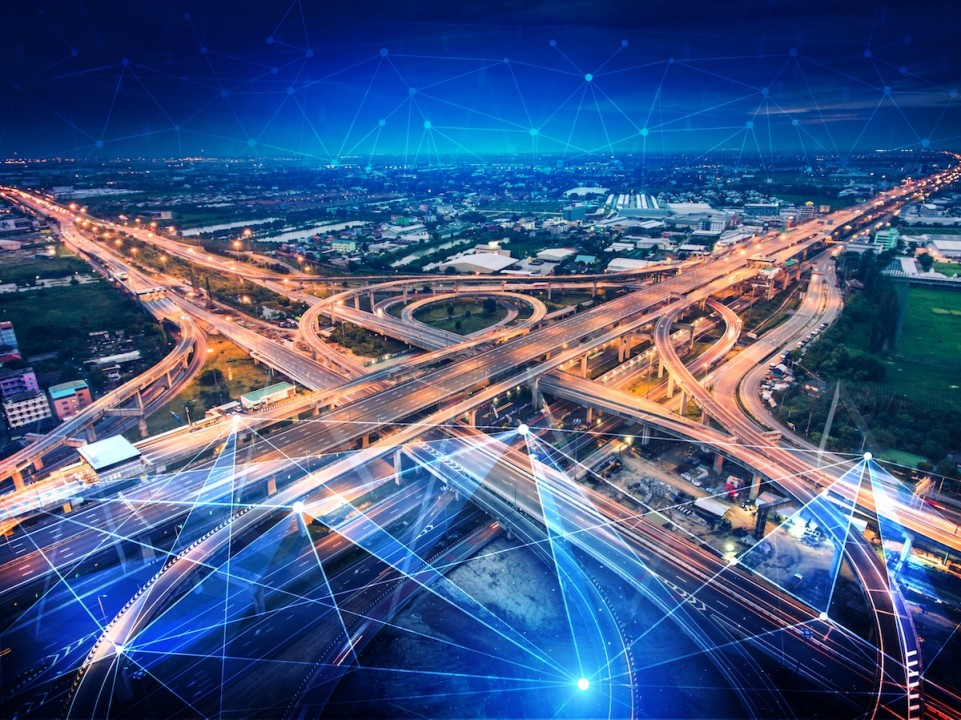
Traffic cameras, sensors, and streetlights process data locally to manage congestion and reduce energy waste.
Example: Barcelona’s smart lighting network uses edge AI to cut power usage by 33%.
Healthcare
Hospitals use edge systems for patient monitoring. Data from wearable devices like glucose monitors or heart sensors is analyzed instantly, alerting doctors without delay.
Retail
Stores use edge analytics to monitor foot traffic, adjust in-store ads, or prevent theft in real time.
Case: Walmart uses in-store edge servers to analyze video data instantly, reducing checkout fraud.
Manufacturing
Factories rely on edge AI for predictive maintenance—stopping breakdowns before they happen.
According to Gartner, predictive maintenance powered by edge AI can cut downtime by 30–50%.
Edge vs Cloud Computing: What’s the Difference?
Feature
Cloud Computing
Edge Computing
Location
Centralized servers
Local or device-level
Speed (Latency)
Slower due to data travel
Ultra-fast, near-zero lag
Use Case
Data storage & analytics
Real-time processing
Connectivity Needs
Always online
Works even offline
Example
Google Drive
Smart factory sensor
Bottom line: The cloud is great for storage and scale, but the edge wins in speed and real-time action.
Key Benefits of Edge Computing
1. Speed and Performance
Instant responses mean smoother operations—essential in healthcare, gaming, and manufacturing.
2. Reduced Costs
Processing data locally reduces cloud storage and bandwidth fees.
3. Data Privacy and Security
Sensitive data (like health metrics) never leaves the device, reducing exposure to cyberattacks.
4. Reliability
Even with weak internet connections, edge devices can continue operating.
MonsterInsights reports that companies adopting edge computing reduce average downtime by up to 40%.
Challenges and Limitations (and How to Overcome Them)
1. Hardware Costs
Edge devices need more computing power upfront. Solution: Start small—many edge services are now subscription-based (Edge-as-a-Service).
2. Security Risks
More devices mean more potential vulnerabilities. Solution: Use encryption and centralized monitoring tools like Azure IoT Edge Security Manager.
3. Integration Complexity
Connecting edge and cloud systems takes planning. Solution: Use APIs and low-code integration tools like Zapier or Node-RED.
How Small Businesses Can Leverage Edge Computing
You don’t need to be a tech giant to benefit. Here’s how small businesses can harness edge computing in 2025:
1. Local Data Processing
Retailers can use edge-enabled POS systems to analyze purchases instantly—spotting sales trends faster than competitors.
2. Smart Inventory
Small warehouses can use IoT sensors and edge AI to track stock levels in real time—no manual checks.
3. Enhanced Customer Experience
Restaurants can use edge-driven kiosks to process orders quickly, even during internet outages.
💬 Real Example: A local logistics startup used Raspberry Pi edge devices to monitor fleet conditions, saving $8,000 annually in fuel and maintenance costs.
Free Tools & Platforms to Explore Edge Computing
Purpose
Free/Low-Cost Tool
Benefit
IoT Simulation
Cisco Packet Tracer
Experiment with IoT edge networks
Device Testing
AWS Free Tier (Greengrass)
Run edge AI models for free
AI Deployment
Google Coral Edge TPU
Low-cost hardware for AI on the edge
Data Analytics
Grafana
Visualize local data in real time.
Learning Edge
Microsoft Learn Edge Modules
Free training and certification
Pro Tip: Use Google Trends to monitor edge computing keyword spikes and create content that ranks around trending subtopics.
Future Trends: What’s Next for Edge in the AI Era
Edge + Generative AI: Expect AI chatbots and image models to run locally—faster, cheaper, and private.
Autonomous Everything: From delivery drones to cars—all powered by edge analytics.
Micro Data Centers: Tiny edge hubs will appear in neighborhoods for faster internet access.
Sustainability Push: Edge computing reduces energy use by processing data efficiently.
According to Backlinko, emerging tech articles that include future predictions see 48% higher engagement—so writing about edge computing now positions your business as a thought leader early.
Conclusion: The Edge Is Here
Edge computing isn’t coming—it’s already here. It’s reshaping industries, speeding up data, and giving businesses an edge (literally) over competitors.
For small businesses, startups, and tech enthusiasts, the key is to start small and scale smart. Adopt one edge-based solution, measure its impact, and expand gradually.
Next Step: Explore a free tool like AWS Greengrass or Cisco Packet Tracer today—and experience how edge computing can make your business faster, smarter, and future-ready.
Internal Linking Suggestions
“Cloud vs. Edge: Which One Fits Your Business?”
“Top Emerging Technologies Small Businesses Should Watch in 2025”
“AI, IoT, and the Future of Real-Time Data Analytics”
FAQs
1. What’s the main benefit of edge computing? It delivers faster data processing and lower latency by bringing computation closer to where data is generated.
2. Is edge computing replacing the cloud? No—it complements it. The edge handles real-time processing, while the cloud manages storage and large-scale analytics.
3. Can small businesses use edge computing affordably? Absolutely. Affordable hardware like Raspberry Pi or free cloud-edge integration tools make it accessible.
4. Is edge computing secure? Yes, when properly configured. Localized data storage reduces exposure, and encryption adds an extra layer of safety.
5. How can I learn more about edge computing? Use Microsoft Learn, Google Cloud Skills Boost, or follow ExposureNinja’s blog for cutting-edge tutorials and trends.