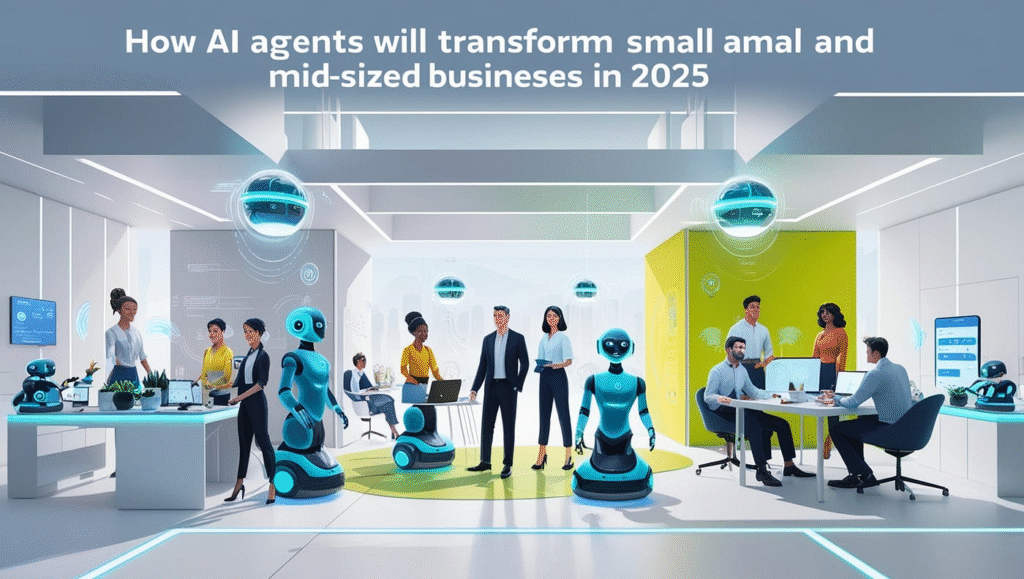
AI isn’t just for big tech companies anymore. In 2025, small businesses are quietly becoming the biggest winners of the AI revolution—not by replacing people, but by working smarter.
From automating marketing to predicting inventory, AI is helping local shops, freelancers, and startups save time, cut costs, and compete with larger players.
In this guide, you’ll learn how small businesses are using AI right now, real tools you can use for free, and practical steps to stay ahead.
Why 2025 Is a Turning Point for Small Businesses
By 2025, over 70% of small businesses will use at least one AI-powered tool, according to MonsterInsights. AI has become more accessible, cheaper, and easier to plug into existing workflows.
The difference this year? AI is finally built for non-tech users—meaning you don’t need a developer or data scientist to benefit.
Key trends driving adoption:
AI tools now integrate directly with Shopify, WordPress, and QuickBooks.
Free and low-cost AI options (like ChatGPT, Jasper, and Notion AI) lower the barrier to entry.
Google’s AI search updates reward businesses that use smart, human-friendly content.
This shift means that small business owners who adapt early are gaining an edge—not by working harder, but by letting AI handle the heavy lifting.
1. AI-Powered Marketing on a Budget
Marketing used to be one of the biggest expenses for small businesses. Now, AI is making high-quality marketing affordable—and even automatic.
What’s Happening:
AI tools can:
Analyze customer behavior and segment audiences.
Generate social media posts, ad copy, and email campaigns in seconds.
Predict which leads are most likely to convert.
Example:
A bakery in Austin used Jasper AI and Canva Magic Write to create Instagram posts and ad copy. Within a month, their engagement jumped 68%, with no agency fees.
Try This:
Use ChatGPT or Writesonic to brainstorm post ideas.
Plug them into Canva’s AI tools for auto-generated visuals.
Track engagement in Google Analytics or Buffer (both free).
Pro Tip: Start with one marketing process—like email follow-ups—and automate it before expanding.
2. Smarter Customer Support with Chatbots & Voice AI
AI-powered chatbots are saving small businesses thousands each year.
Instead of hiring round-the-clock support, tools like Tidio, Drift, or ManyChat can:
Answer FAQs instantly.
Capture leads 24/7.
Route complex issues to humans when needed.
Real Example:
A local dental clinic used Tidio to answer appointment questions automatically. Within two months, they reduced front-desk calls by 43%, freeing up staff for higher-value work.
Voice AI
AI assistants like Google Duplex and Fireflies.ai are now scheduling appointments, taking notes, and following up after calls—saving hours each week.
💬 Pro Tip: Set your chatbot tone to match your brand voice—friendly, clear, and human.
3. Automating Admin Work (Without Losing the Human Touch)
From invoicing to scheduling, repetitive admin tasks can drain your time.
AI Solutions:
QuickBooks Smart Invoicing automates payments and reminders.
Calendly with AI scheduling learns your habits to auto-book meetings.
Zapier AI connects your tools (e.g., automatically saving email attachments to Google Drive).
Case in Point:
A solo photographer used Zapier to link his booking form with Google Sheets and Gmail. Now, every client gets a confirmation email instantly—no manual typing needed.
🕒 Time Saved: 6+ hours weekly just from automation.
4. AI for Better Business Decisions
AI isn’t just about automation—it’s about insight.
What It Does:
AI can:
Analyze your sales data and find trends.
Forecast demand.
Suggest pricing changes or promotions.
Tools like Zoho Analytics or Microsoft Power BI (free tier) turn spreadsheets into visual dashboards that think for you.
Example:
A small retail owner used AI analytics to discover that Tuesday afternoons had higher walk-ins after Instagram posts. They shifted ad spend to those hours—and saw a 22% ROI boost in two weeks.
Pro Tip: Use Google Trends to understand what your customers are searching for before planning new products.
5. Content Creation: From Hours to Minutes
Content is still king—but AI is the new scribe.
AI writing tools like ChatGPT, Notion AI, or SurferSEO help small business owners create blogs, newsletters, and product descriptions that rank and convert.
SEO Boost:
AI helps identify the right keywords, optimize headlines, and format content for search engines—all without needing an SEO expert.
Tools to Try:
Ubersuggest: Find keyword ideas.
SurferSEO (free audit): Optimize for readability and ranking.
Grammarly: Improve clarity and tone.
Remember: AI gives you the draft—you bring the story and authenticity that Google values.
6. Leveling Up Local SEO and Online Presence
AI is changing how small businesses show up locally on Google Maps and Search.
How It Helps:
BrightLocal AI audits your listings for missing data.
Google Business Profile Insights (free) reveals which photos, posts, or times bring more views.
AI Review Responders help reply to customer feedback instantly (and politely).
Example:
A local café used an AI review responder to thank customers faster. Their response rate rose to 95%, improving their Google ranking within 30 days.
Pro Tip: Keep your Google Business Profile updated weekly—AI tools can automate posts and photo uploads.
7. Security and Fraud Protection for Small Businesses
Cybercrime now targets small businesses as much as large ones. AI-powered protection is your new silent bodyguard.
Top Tools:
Cloudflare AI Firewall: Detects suspicious traffic automatically.
Microsoft Defender for Business (AI-enhanced): Identifies unusual login activity.
Sift AI: Prevents payment fraud.
These tools learn from global data patterns to predict and block threats before they happen.
Pro Tip: Run a free security check with Google Safe Browsing and enable 2FA across all business accounts.
You don’t need a tech overhaul to get started. Follow these steps:
Start small. Pick one problem—like lead follow-up—and automate it.
Use free versions first. Many AI tools offer robust free plans.
Train your AI. Feed it your brand tone, FAQs, or examples for better results.
Track and tweak. Use Google Analytics to measure if AI is actually saving time or improving engagement.
Building Trust: Human + AI = Real Growth
Google’s Helpful Content update made one thing clear: authentic, human experience matters.
AI can speed up your workflow—but your personality, values, and customer care are what make your business trustworthy.
The best approach? Use AI for efficiency, not substitution. Let machines handle the data, and you handle the people.
Conclusion: The Quiet Revolution Is Already Here
AI isn’t loud. It’s subtle, efficient, and working behind the scenes—just like most small business owners.
In 2025, success doesn’t come from doing more, but from doing smarter with AI as your partner.
Next Step: Pick one area of your business—marketing, admin, or support—and try a free AI tool today. Within a week, you’ll see how “quiet” can mean “powerful.”
Internal Linking Suggestions
Link this post to:
“Top Free Marketing Tools for Small Businesses”
“SEO in 2025: What Google’s AI Means for You”
“How to Automate Your Business Without Losing the Human Touch”
FAQs
1. Is AI too expensive for small businesses? Not anymore. Many AI tools (like ChatGPT, Canva, and Tidio) have free or low-cost plans designed for small teams.
2. Can AI really replace human creativity? No—AI supports creativity. You bring context, emotion, and brand personality. AI just speeds up the execution.
3. What’s the safest way to start using AI? Start with non-sensitive areas like marketing or scheduling. Gradually expand once you understand the tools.
4. Does using AI help with SEO? Yes, when used responsibly. AI helps structure content, research keywords, and optimize formatting—all essential for ranking.
5. How can I promote my AI-powered business content? Share your content through LinkedIn, Reddit communities, or guest posts. Building backlinks naturally boosts authority (per Backlinko).