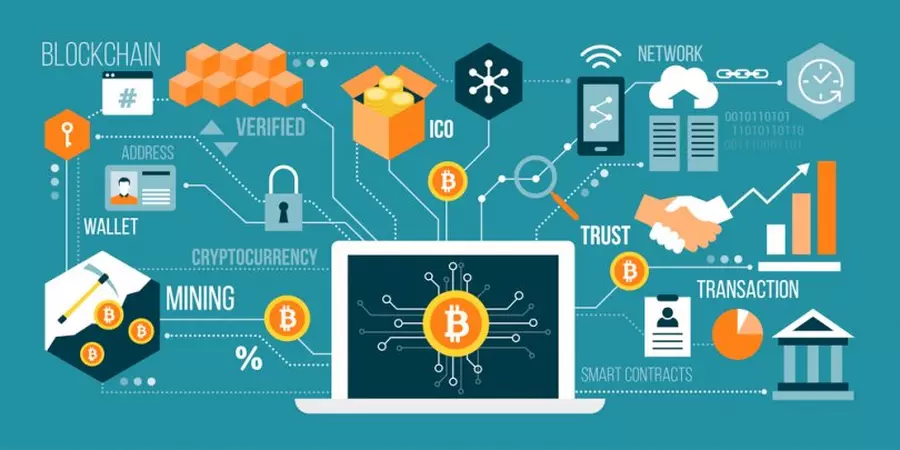
When most people hear blockchain, they still think of Bitcoin and cryptocurrency trading. But that’s an outdated picture.
In 2025, blockchain has evolved far beyond digital currencies — transforming industries that rely on trust, transparency, and security.
From healthcare and logistics to digital identity and governance, blockchain is quietly becoming the invisible backbone of the next digital revolution.
Key Insight: Blockchain’s true power isn’t money — it’s trust without intermediaries.
In this guide, we’ll explore five underrated yet powerful ways blockchain is being used beyond cryptocurrency, backed by real-world examples, expert insights, and practical takeaways.
1. Supply Chain Transparency and Traceability
Supply chains are complex webs — and blockchain is helping untangle them.
The Problem:
Traditional supply chains rely on siloed databases, paper trails, and third-party intermediaries. This makes it easy for counterfeit goods, fraud, or data manipulation to go unnoticed.
The Blockchain Solution:
By recording every transaction and movement of goods on a shared, tamper-proof ledger, blockchain makes supply chains transparent, traceable, and trustworthy.
Each participant — from the manufacturer to the consumer — can verify product authenticity in real time.
Real-World Example:
IBM Food Trust (used by Walmart and Nestlé) tracks food from farm to shelf using blockchain, reducing contamination risks and improving recall efficiency.
De Beers uses blockchain to trace diamonds, ensuring they’re conflict-free and ethically sourced.
Key Benefits:
Prevents fraud and counterfeiting
Improves quality assurance
Builds consumer trust through transparency
Expert Insight: As Exposure Ninja points out, “Transparency is the new marketing.” Blockchain provides that proof.
2. Healthcare Data Security and Interoperability
The healthcare sector manages some of the most sensitive and valuable data on Earth — yet it’s also one of the most fragmented.
The Problem:
Medical records are scattered across hospitals, clinics, and third-party services, making it hard for patients to control or securely share their data.
The Blockchain Solution:
Blockchain enables secure, decentralized medical data storage, giving patients ownership of their records while maintaining interoperability between systems.
Every access or update is logged immutably, ensuring complete accountability.
Real-World Example:
BurstIQ uses blockchain for secure health data exchange between patients and researchers.
Medicalchain allows doctors and patients to share records securely through permissioned access.
Key Benefits:
Protects against data breaches
Streamlines healthcare collaboration
Puts patients back in control of their data
Stat Check: According to IBM Security, the average healthcare data breach costs $10.9 million, making blockchain-based security a strategic necessity.
3. Digital Identity and Data Ownership
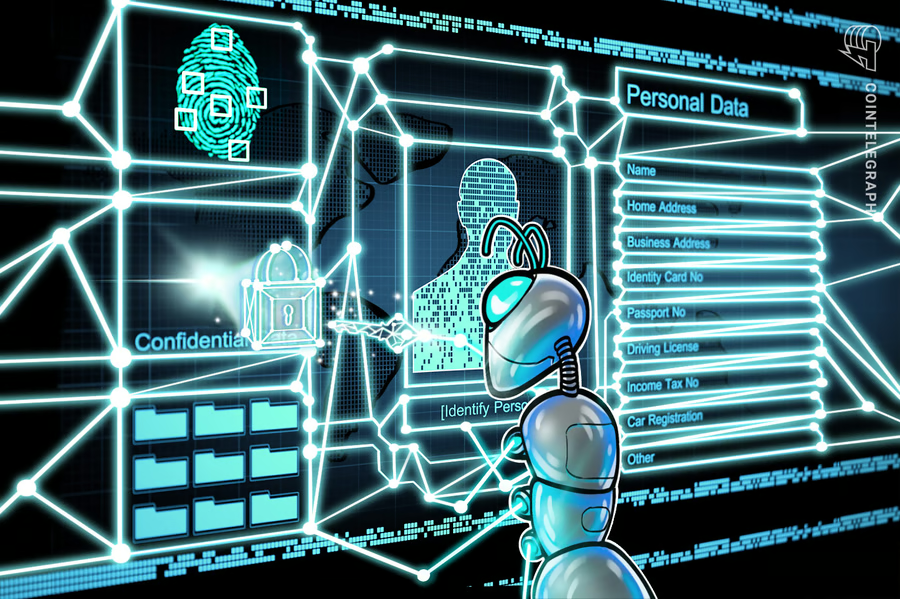
In an age of increasing cybercrime and identity theft, digital identity is broken. Passwords are weak, data is duplicated, and users rarely control how their information is used.
The Problem:
Centralized identity systems (like social media logins or cloud accounts) store massive amounts of personal data — prime targets for hackers and misuse.
The Blockchain Solution:
Blockchain supports self-sovereign identity (SSI) — a system where users store and control their identity on decentralized networks.
Instead of relying on Google or Facebook to “verify” you, you own and share your identity credentials directly, securely, and selectively.
Real-World Example:
Microsoft’s ION (built on Bitcoin) lets users control digital IDs without centralized servers.
Civic and uPort provide blockchain-based identity wallets for secure, password-free logins.
Key Benefits:
Reduces identity theft
Enables seamless, cross-platform verification
Puts ownership back into the hands of users
Backlinko Note: “Trust is a ranking factor — and digital identity is part of that equation.” Brands adopting privacy-first identity practices gain stronger SEO and brand credibility.
4. Smart Contracts and Business Automation
Smart contracts are one of blockchain’s most transformative innovations — programmable agreements that automatically execute when conditions are met.
The Problem:
Traditional contracts depend on intermediaries (lawyers, brokers, banks) to enforce terms, causing delays, costs, and disputes.
The Blockchain Solution:
Smart contracts eliminate middlemen. Written in code, they self-execute once predefined conditions are satisfied.
For example, a shipment payment can trigger automatically when delivery is confirmed.
Real-World Example:
Ethereum popularized smart contracts for decentralized finance (DeFi), but the same tech is now used in real estate, insurance, and logistics.
Chainlink integrates real-world data (like weather or shipment status) into blockchain systems, expanding smart contract use cases.
Key Benefits:
Cuts transaction costs
Reduces human error and fraud
Increases business efficiency
Pro Insight: Smart contracts are becoming the “API for trust.” Small businesses can automate contracts, payrolls, or vendor agreements with low-code blockchain tools like OpenZeppelin or Alchemy.
5. Voting Systems and Public Governance
Voting fraud and low voter confidence plague democracies worldwide. Blockchain may not fix politics — but it can fix how we verify and count votes.
The Problem:
Traditional voting systems are vulnerable to tampering, miscounts, and lack of transparency. Digital voting often raises security concerns.
The Blockchain Solution:
Blockchain-based voting ensures immutability, verifiability, and anonymity. Every vote becomes a unique transaction — publicly auditable but privately owned.
Real-World Example:
Estonia, the world’s digital pioneer, is experimenting with blockchain-based voting to strengthen transparency.
The West Virginia pilot project in the U.S. allowed overseas military personnel to cast blockchain-secured ballots via mobile app.
Key Benefits:
Prevents vote manipulation
Increases voter trust and participation
Reduces election costs and disputes
MonsterInsights Tip: User trust signals like transparency and security influence not only SEO but also public credibility — blockchain delivers both.
How Small Businesses Can Leverage Blockchain Applications
You don’t need to be a tech giant to benefit from blockchain.
Here’s how small and mid-sized businesses (SMBs) can apply it:
Use blockchain-based invoicing for fraud prevention.
Adopt decentralized storage (like IPFS or Storj) to cut cloud costs.
Accept crypto or stablecoin payments for faster, cheaper transactions.
Use NFT-based certificates for authenticity in digital products.
Explore supply tracking for handmade, local, or ethical goods.
Action Step: Start small. Use free blockchain explorers (like Etherscan) to understand how transactions work.
Free Tools and Resources for Blockchain Integration
Pro Tip: Run your blockchain-related site through Google PageSpeed Insights and Search Console to ensure performance and indexing — two key ranking signals.
Off-Page SEO Strategy: Building Authority Through Blockchain Thought Leadership
As Backlinko teaches, authoritative backlinks come from credibility. If you’re a business integrating blockchain, here’s how to turn that credibility into SEO wins:
Publish case studies about how blockchain improved your operations.
Guest post on tech blogs or Medium publications in your niche.
Engage in LinkedIn blockchain groups and Reddit communities.
Use Google Trends to spot emerging blockchain subtopics and create early content around them.
SEO Advantage: Google’s E-E-A-T framework rewards first-hand experience — documenting your blockchain journey builds both trust and authority.
Conclusion: The Future of Blockchain Is Bigger Than Crypto
Blockchain isn’t a buzzword — it’s a foundational shift in how data, trust, and value flow across the internet.
From supply chains to healthcare, from digital identity to democracy, blockchain is proving its worth as the infrastructure of a transparent future.
Next Step: Whether you’re a startup or established business, now’s the time to explore how blockchain can streamline your operations and build trust. Start with one use case, learn by doing, and grow from there.
1. Is blockchain still mainly used for cryptocurrency? Not anymore. While it began with Bitcoin, blockchain now powers industries like logistics, healthcare, and governance.
2. How secure is blockchain technology? Very secure — data stored on blockchain is immutable and distributed, making tampering nearly impossible without majority control.
3. Can small businesses adopt blockchain easily? Yes. Tools like IPFS or Alchemy offer low-code, cost-effective solutions for integrating blockchain applications.
4. What are smart contracts? Smart contracts are self-executing programs that automate transactions and enforce agreements without intermediaries.
5. Does blockchain help with SEO or branding? Indirectly, yes. Transparency and trust — the hallmarks of blockchain — improve user confidence, engagement, and backlink opportunities.