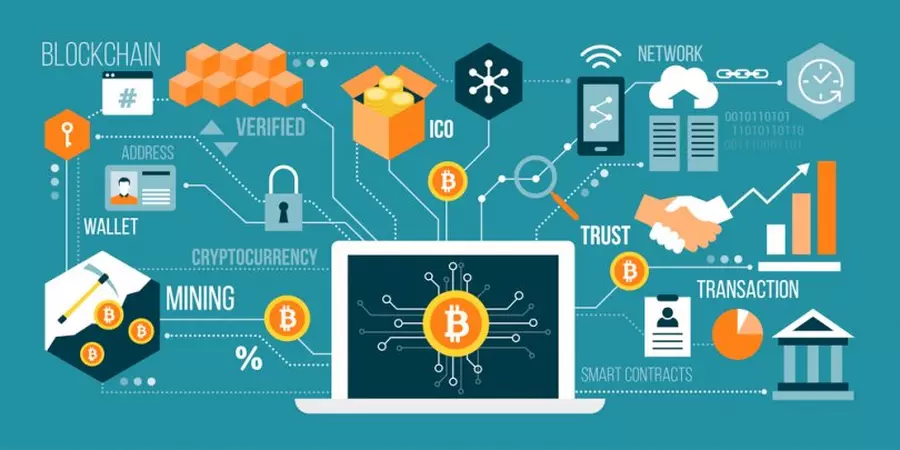
In 2025, data privacy has evolved from a technical checkbox to an economic powerhouse. Every search, click, and form submission tells a story—and companies that respect that story are the ones earning trust, loyalty, and revenue.
Think about it:
Apple built an empire on privacy-first marketing.
Meta’s stock dropped billions after repeated privacy scandals.
Consumers now install VPNs, ad blockers, and encrypted messengers by default.
The takeaway: Privacy isn’t just a right anymore—it’s a form of currency. Whoever manages it wisely wins.
In this article, we’ll uncover why data privacy is becoming the new digital currency, how it’s reshaping industries, and how businesses can leverage it to gain trust, retention, and growth.
The True Value of Personal Data in 2025
Let’s be honest—personal data has always been valuable. But until recently, users didn’t fully realize just how much power their digital footprint holds.
According to a Statista report, the global data economy exceeded $3 trillion in 2024, driven by personalized ads, AI algorithms, and predictive analytics.
However, a shift is underway:
Users are demanding control.
Governments are enforcing stricter laws.
Businesses are rethinking their data ethics.
Every byte of information—from your browsing habits to your smart home data—can now be bought, sold, or protected. That’s why data privacy is emerging as a new kind of wealth.
Why Data Privacy Is Becoming a Global Commodity
1. Consumers Are Waking Up
After years of breaches and leaks, people realize that “free” apps often cost them their privacy. A Cisco Consumer Privacy Survey revealed that 84% of users now care deeply about protecting personal data, and 48% have switched companies due to poor privacy policies.
2. Privacy Equals Trust
As Exposure Ninja often emphasizes, trust drives conversion. Users are more likely to buy from, subscribe to, and recommend brands that protect their information.
3. Big Tech Is Pivoting
Apple’s App Tracking Transparency (ATT) feature cost Meta an estimated $10 billion in lost ad revenue. Yet, Apple’s privacy-first message boosted iPhone sales—proving that privacy can be profitable.
Expert Insight: As Backlinko founder Brian Dean explains, modern SEO is about trust signals. Privacy policies, HTTPS, and transparent data usage pages all boost credibility and rankings.
Real-World Examples: Companies Earning Trust Through Privacy
Apple: Turning Privacy into a Marketing Weapon
Apple’s “Privacy. That’s iPhone.” campaign reframed privacy as a luxury feature. By integrating on-device AI and encryption, Apple built a trillion-dollar moat around user trust.
DuckDuckGo: Competing Against Giants with Privacy
Despite competing with Google, DuckDuckGo grew to over 100 million daily searches by offering zero-tracking and anonymous browsing.
Signal & ProtonMail: Building Brands on Transparency
Both companies thrived because they embraced open-source encryption and user-funded models instead of ads. Their promise: “Your data is yours.”
Lesson for Businesses: Privacy can differentiate your brand as much as product innovation.
The Economics of Privacy: Data as a New Asset Class
Data is the new oil—but unlike oil, users now own the wells.
Here’s how privacy is shifting market dynamics:
User data has tangible value. Platforms like Brave and Permission.io pay users to share data voluntarily.
Privacy-first companies gain valuation premiums. Investors favor businesses with strong data governance due to lower compliance risk.
Data breaches destroy wealth. The average cost of a breach in 2025 hit $4.88 million, according to IBM.
Reality Check: Protecting data isn’t just compliance—it’s capital preservation.
Consumer Behavior: How Users Are Monetizing Their Data
Modern users no longer see themselves as passive data sources—they’re becoming active participants in the information economy.
Emerging Trends
Data Wallets: Platforms like Solid (by Tim Berners-Lee) and Oasis Labs let users control and sell their data securely.
Privacy Tokens: Blockchain-based systems reward users for consenting to data sharing.
AI Transparency Tools: Chrome extensions and web tools reveal how ads target you.
Case Example
In 2024, Brave Browser users collectively earned over $60 million in BAT tokens for opting into privacy-safe ads — proof that respecting privacy can coexist with profit.
Data Protection Laws and the Rise of Privacy Compliance
The rise of privacy legislation has made data ethics a legal—not optional—responsibility.
Key Global Regulations:
GDPR (Europe): Grants users full control over personal data.
CCPA (California): Allows users to opt out of data sales.
DPDP Act (India 2023): One of the world’s strictest data laws.
AI Act (EU 2025): Regulates AI models and data usage transparency.
Why This Matters for SEO
Search engines now reward transparency. Websites with visible privacy policies, cookie consent, and HTTPS encryption see higher engagement and lower bounce rates.
SEO Tip: Use Google’s Page Experience Report in Search Console to track privacy and security signals that influence ranking.
How Businesses Can Turn Privacy into a Competitive Advantage
1. Be Transparent
Explain how you collect, use, and store customer data—in plain language, not legal jargon.
2. Offer Control
Let users adjust data settings easily. Transparency pages (like Apple’s Privacy Dashboard) are becoming standard trust signals.
3. Encrypt and Secure
Use tools like Let’s Encrypt and Cloudflare for SSL and DDoS protection. Integrate Google PageSpeed Insights to ensure that privacy scripts don’t slow performance.
4. Market Privacy as a Feature
Don’t hide your privacy measures—showcase them. Add badges, certifications, and trust seals to build user confidence.
Example: A small SaaS brand gained 27% higher conversions after adding a “We never sell your data” statement on their sign-up page.
Free Tools to Strengthen Data Privacy in Your Business
Pro Tip: Set up Google Alerts for “data breach” + your brand name—early detection can save you thousands.
Off-Page SEO and Brand Trust: Building Authority Through Transparency
Backlinko and MonsterInsights both highlight the growing link between brand trust and backlinks. Here’s how data privacy enhances both:
Publish your privacy efforts: Write thought leadership blogs about compliance or encryption—it attracts backlinks from reputable sites.
Engage in privacy communities: Contribute to Reddit threads, Quora, or guest post on cybersecurity blogs.
Leverage certifications: ISO 27001, GDPR compliance badges, and SOC 2 audits signal trustworthiness to partners and search engines alike.
SEO Advantage: Trustworthy brands attract natural backlinks—a core Google ranking factor.
Conclusion: Privacy as the Currency of Trust
Data privacy is no longer a compliance checkbox—it’s a business strategy, brand differentiator, and market advantage.
As users grow savvier, companies that protect and empower them will rise above the noise. In a world where attention is fleeting and trust is rare, privacy becomes the ultimate digital currency.
Next Step: Audit your data practices today. Use free tools, update your policies, and make privacy part of your value proposition. The sooner you act, the more trust you’ll earn.
1. Why is data privacy so valuable today? Because users now understand that their data fuels the digital economy. Protecting it builds trust and loyalty.
2. How can businesses monetize privacy ethically? By offering privacy-first services, transparency, and optional data-sharing incentives (like Brave or DuckDuckGo).
3. What happens if a company ignores privacy laws? Heavy fines, loss of trust, and search engine penalties. GDPR violations alone can reach 4% of global revenue.
4. Can small businesses afford privacy compliance? Yes—most compliance tools are free or low-cost. Focus on SSL, consent banners, and honest communication.
5. How does privacy affect SEO rankings? Google rewards secure, transparent, and trustworthy sites—making privacy a direct SEO advantage.